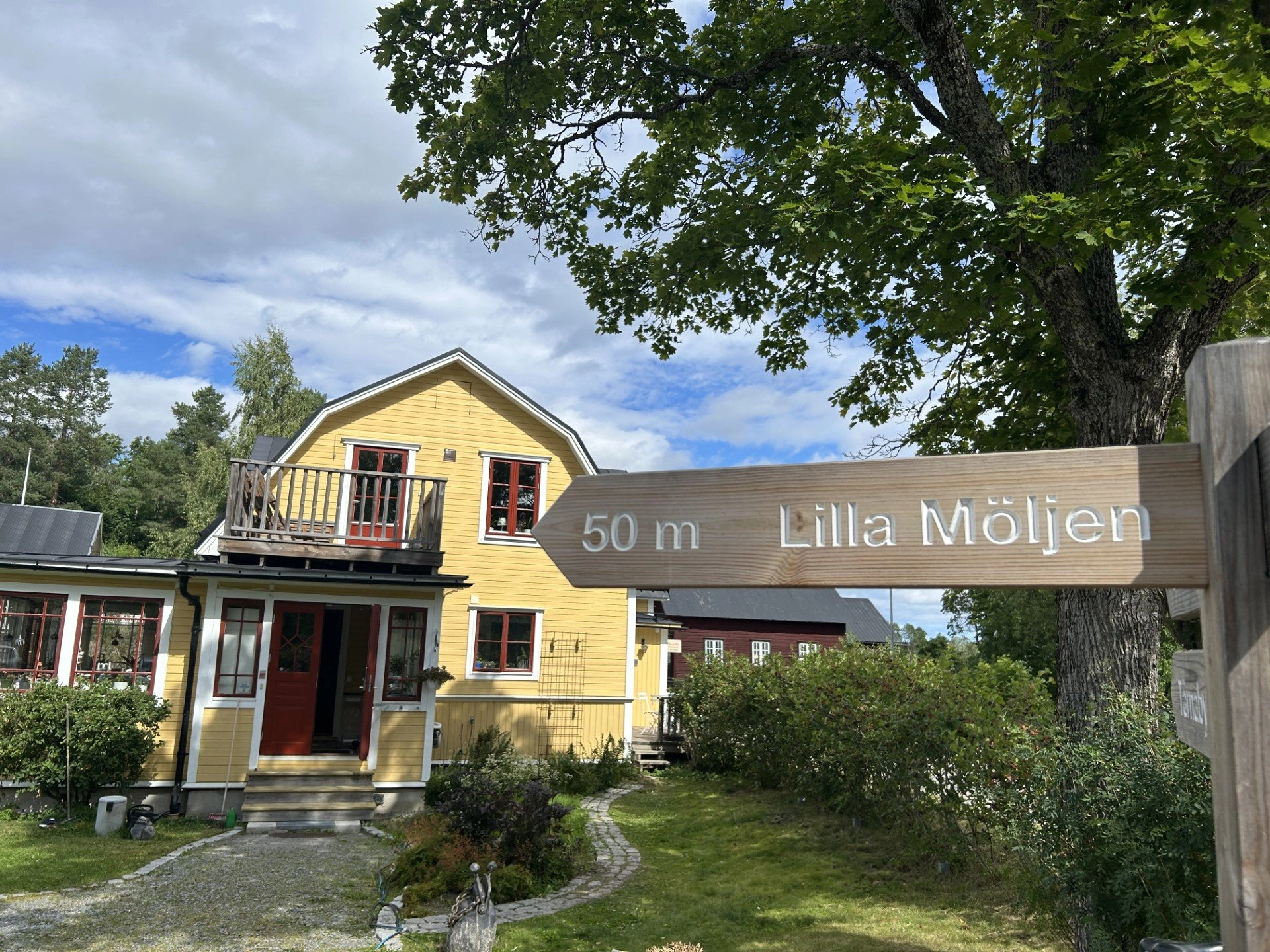
Little Möljen
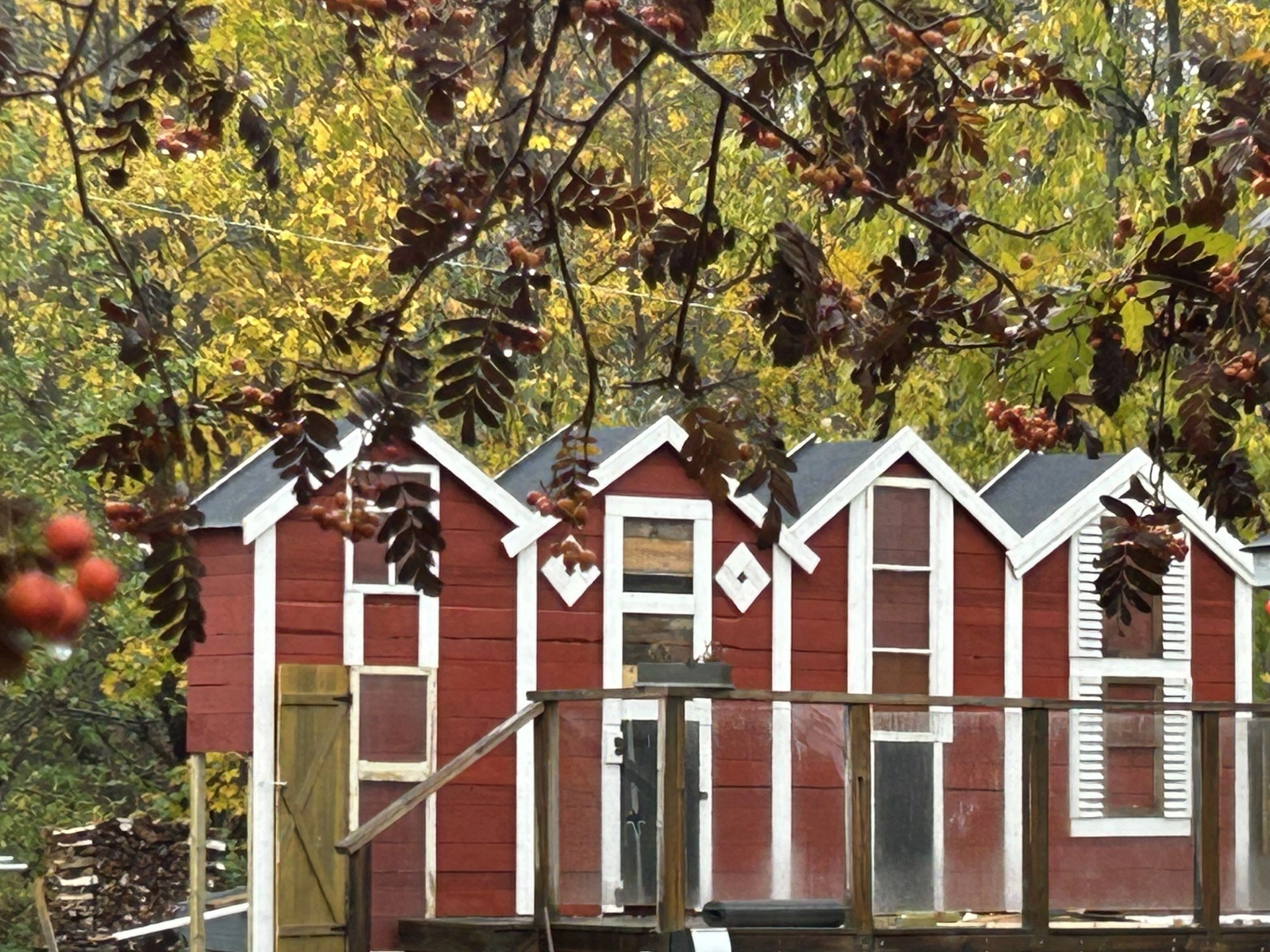
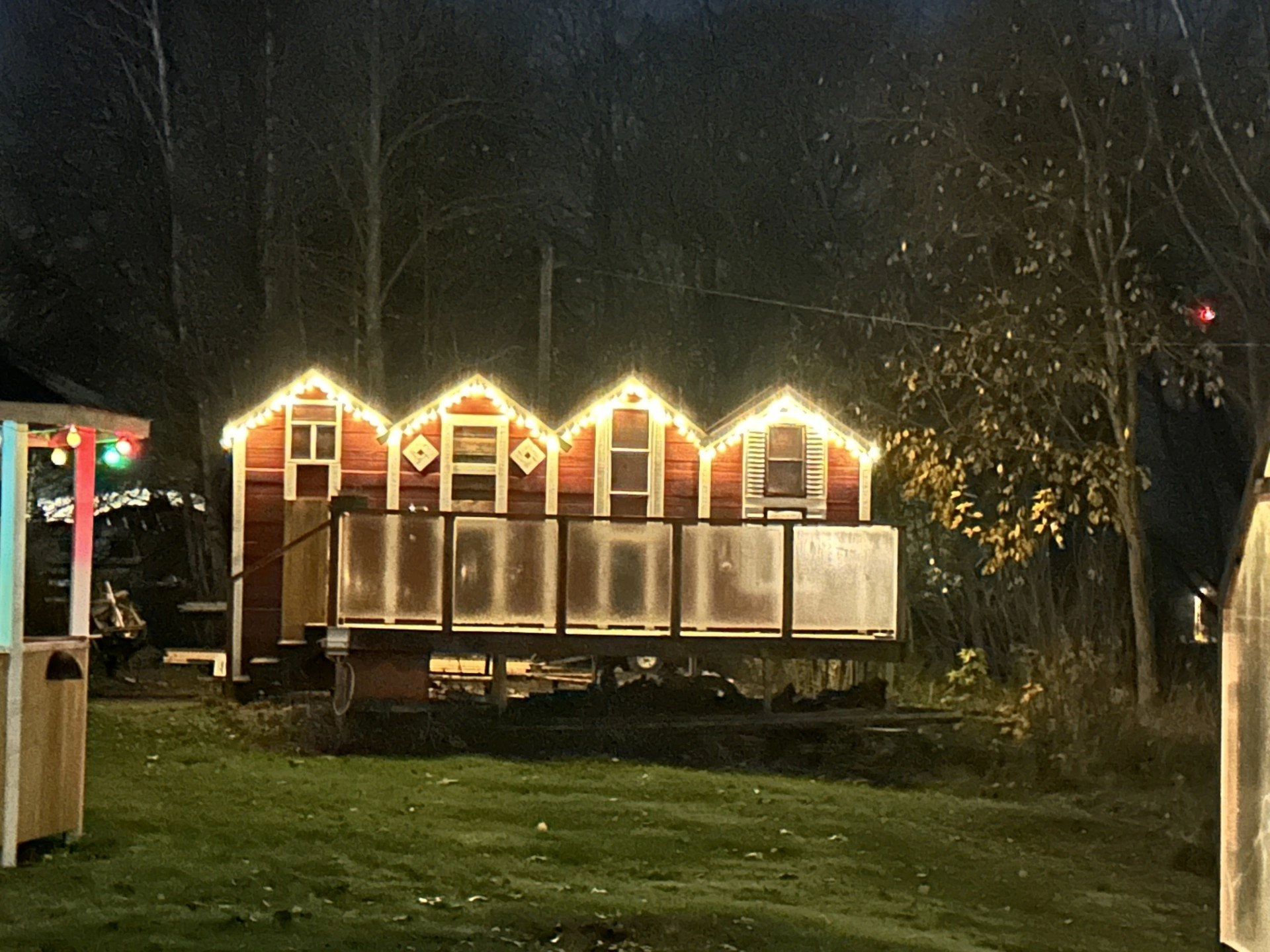
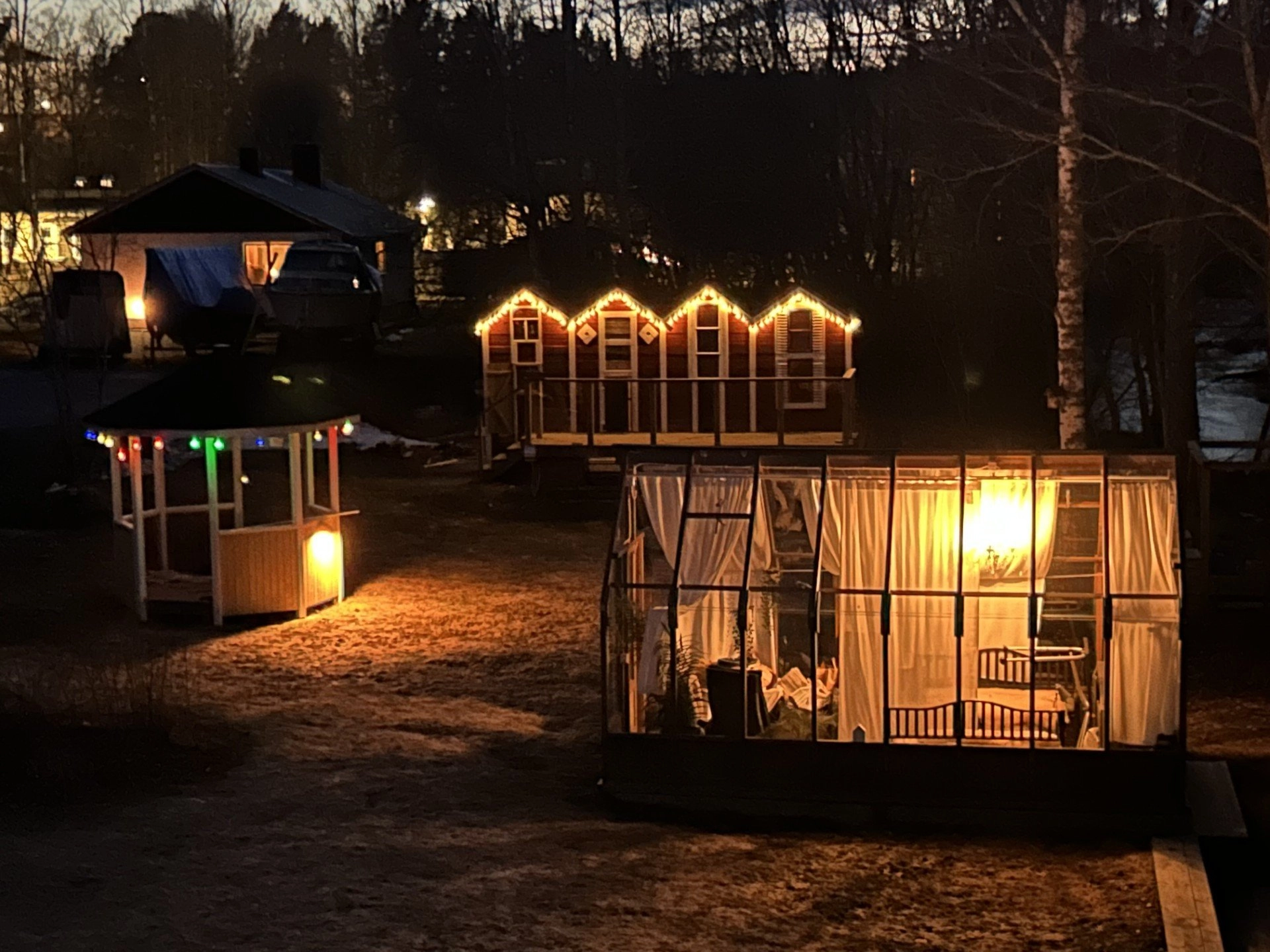
This is our own little version of Möljen in Hudiksvall, the red boathouses by the canal in the middle of town where the fishermen used to dock and sell their catch.
Möljen is not just a place, but a symbol of Hudiksvall's rich history as a living fishing village and a bustling trading spot. Here, past and present meet in a charming environment that tells the city's proud story.
Our own Little Möljen
When we sold our Circus wagon, the garden suddenly felt empty. The previously so obvious eye-catcher during our breakfasts was gone, leaving a terrace that felt completely unnecessary. To fill the void, we chose to have a backdrop built inspired by Hudiksvall's Möljen, complete with smart storage space on the back. The new backdrop quickly became our new favorite spot and gave the garden new life.
Möljen in Hudiksvall
A bit of history behind Möljen in Hudiksvall
Möljen is the row of falun-red boathouses and warehouses by the canal in central Hudiksvall. They reflect the city's maritime history and have become something of Hudiksvall's "postcard motif" and main landmark.
For many Hudik residents, Möljen is as strongly associated with the city as the Eiffel Tower is with Paris.
The history behind Möljen
The name "Möljen" roughly means quay or pier. The area is located by the canal between Lillfjärden and Hudiksvallsfjärden. Previously, Lillfjärden was the city's harbor, but when the fairway was dredged, the harbor was moved in the 1600s to its current location.
However, the fishermen continued to use the area around the canal.
During the 18th and 19th centuries, boathouses and warehouses were built along the water. Fishing boats docked here, the catch was unloaded and sold, and the boathouses were used for storing equipment and goods.
Möljen became a lively center for trade and fishing and was for a long time an important marketplace for the city.
Today, the old boathouses are mainly used for restaurants, cafés, and small businesses, but their appearance has been preserved, making the area one of Sweden's most characteristic harbor promenades.